




Cruising the waterways is part of the appeal of owning a canal boat; it’s the sense of freedom that appeals, and why most people opt to take to the canals in the first place.
But what happens when you’ve travelled the length and breadth of your chosen area? Or you fancy just taking it easy and relaxing by the riverbank?
This is the point where you’re going to have to moor your boat.
Can You Moor A Canal Boat Anywhere?
Establishing a spot to moor up safely is of paramount importance when it comes to mooring your new canal boat. Ensure that the water is deep enough for the bottom of your vessel to avoid unnecessarily damaging the bottom of the hull. Then, stopping just short of where you plan to moor up, angle the bow towards the bank or dockside, then just before the front makes it to the bank, put the engine into reverse and then into neutral.
If there is a strong flow, ensure that you are moored with the bow facing into the current, and when securing the craft, make sure that the bow line is secured first. If there is a tide moor into the oncoming tide and make sure not to stay overnight, as the tide may drop completely and you will risk damaging the bottom of your vessel.
Mooring in the following places is strongly advised against:
- Approaching locks or in lock flights
- On a tidal riverbank
- On blind bends and corners
- Anywhere where vision is minimal or obstructed
- Close to junctions or turning points
- Near weirs
- Near designated angling spots
- Near bridges
Canal Boat Mooring Lines
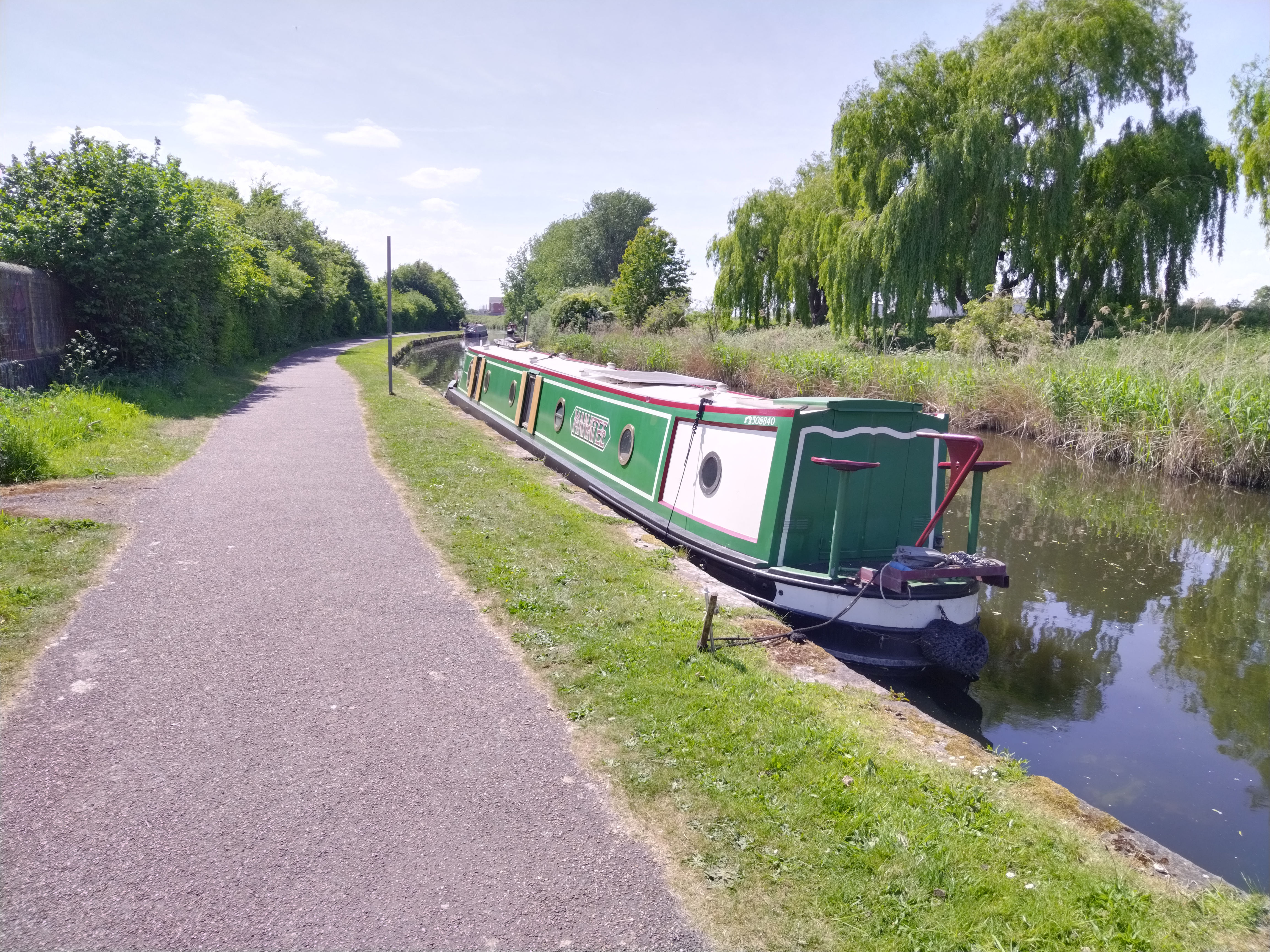
Ensure that your line has enough slack and step off the boat, you want enough slack to ensure that your craft won’t be left dangling on the ropes if the water level changes, this is especially true on a tidal river; after all, you’ve just made an investment in a brand new Collingwood vessel and you want it to be looking and performing at it’s best.
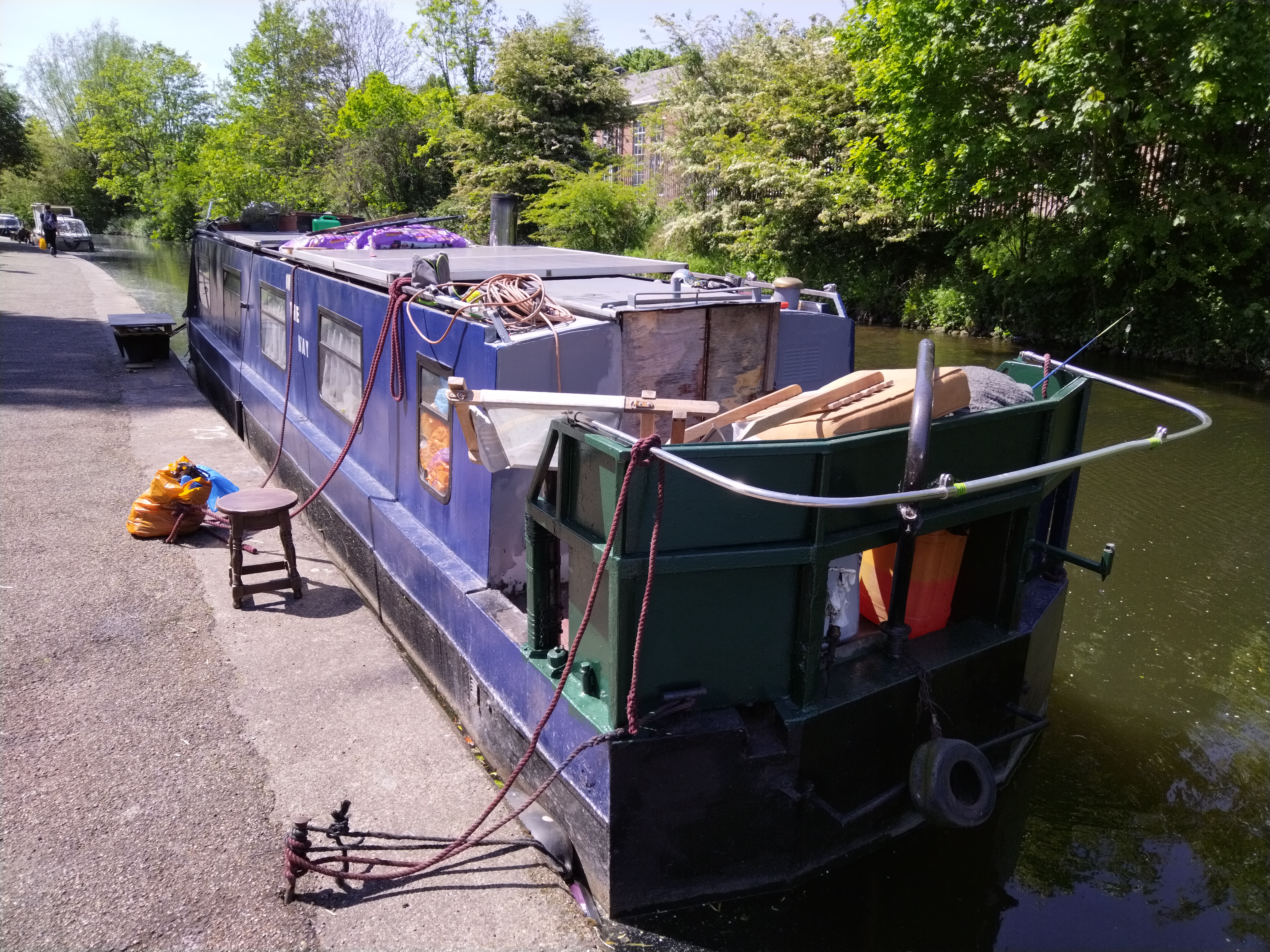
Secure your upstream rope first and then the rear, if there are bollards or rings to moor with the secure the ropes to the ones just in front and just behind the canal boat. Ideally, you should run the ropes at roughly 45 degrees from the boat, then loop them around and back on board, securing them firmly but not too tightly.
Securing your bow/upstream rope first, use the bollards or mooring rings available, which should be located just in front of the bow section and just beyond the stern. This will allow for the most stable mooring. Secure the stern section similarly, then run your ropes at a 45-degree angle and loop them back on board. You can also use moorings using mooring stakes if there are no fixtures to moor to, but be sure to check the ground for cables and pipes before securing them into the ground.
The Boater’s Handbook highlights all the mooring facts any newcomer to canal boating will need before voyaging on their journey.
For more information on how to get the best from your brand new canal boat, contact Collingwood Boat Builders today, and our expert team will be more than happy to assist.